
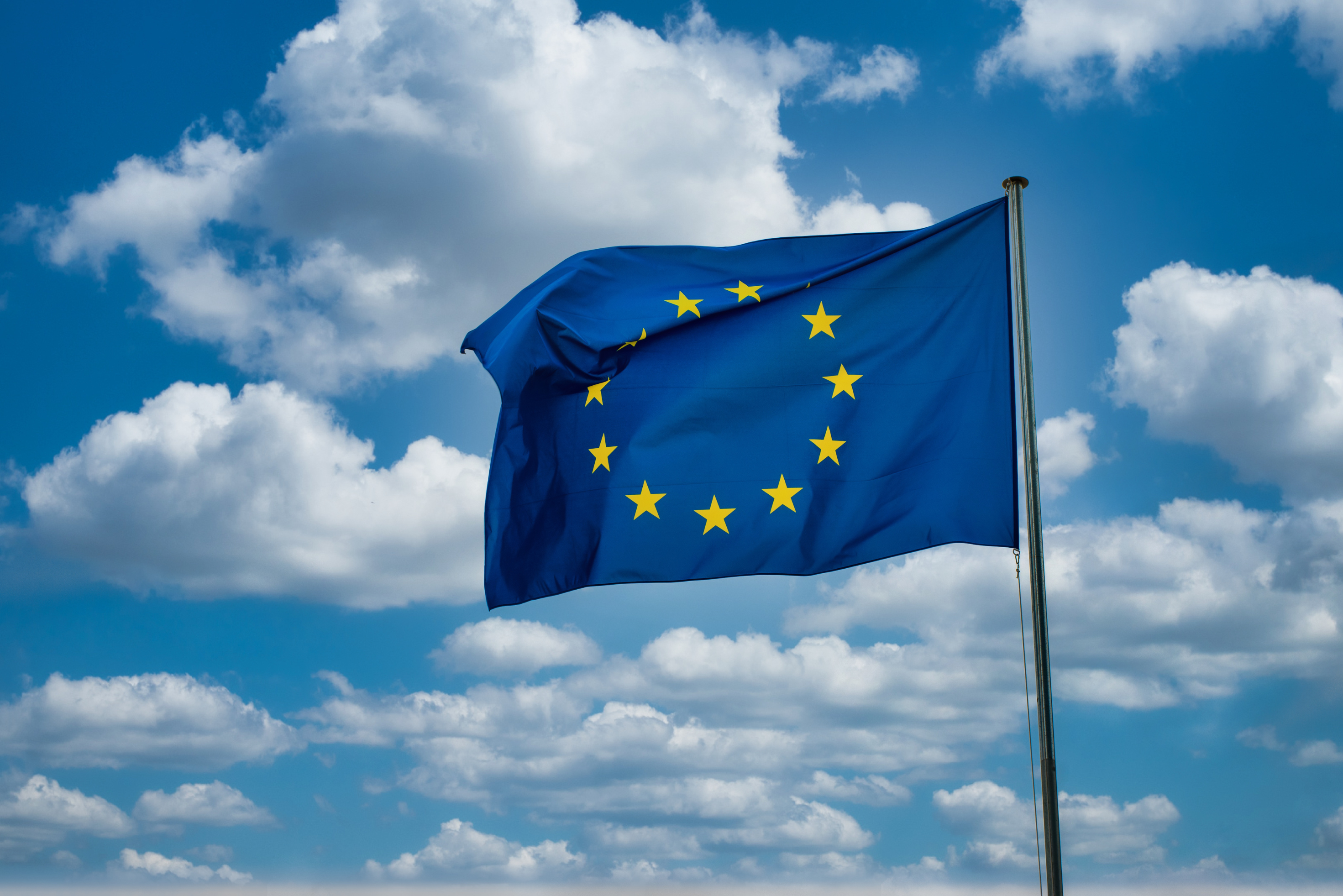
It’s been several years since the EU General Data Protection Regulation (GDPR) came into effect, yet its importance has only grown. With tighter enforcement, AI regulation on the horizon, and global data protection laws following suit, GDPR remains the gold standard for privacy and accountability.
Understanding the details and implications of the GDPR can be a daunting task. Some companies might still feel it is easier to bury their heads in the sand rather than invest the necessary resources to achieve GDPR compliance. However, failure to comply with the GDPR leaves organizations open to substantial fines. According to the ICO (Information Commissioner’s Office), this could mean a fine of up to €20 million, or 4% of your total worldwide annual turnover (whichever is higher).
Based on our experience, it is clear that there is no “one size fits all” approach to GDPR. However, there are a few common steps that all organizations should follow when embarking on the journey to GDPR compliance.*
Step 1: Understanding the GDPR articles
The first step toward GDPR compliance is being aware of and understanding the key GDPR articles. There are many useful sources of information available, but a good place to start is the ICO website. The most important at the outset is Article 5, which sets out the seven key principles of GDPR:
- Lawfulness, Fairness, and Transparency
- Purpose Limitation
- Data Minimization
- Accuracy
- Storage Limitation
- Integrity and Confidentiality (Security)
- Accountability
Compliance with these key principles is essential to achieving strong data protection practices.
Step 2: Conducting an information audit
To ensure that you are protecting your information according to the 7 GDPR principles, you first need to conduct an information audit to determine exactly what information you hold. As part of the audit, organizations must examine how they collect, process, share, store, and delete data.
Step 3: Creating an Information Asset Register (IAR)
Many organizations associate “assets” with IT equipment such as laptops and servers (i.e., physical assets).
However, it is crucial that organizations also maintain a record of their information assets to understand what they are, who they are shared with, and how they are classified (e.g., OFFICIAL, SECRET, TOP SECRET, etc.).
An Information Asset Register (IAR) is a centralized repository that contains details of all the information assets held by your organization. This includes physical assets (e.g., paper files) and electronic assets (e.g., spreadsheets) and includes records of the data being held, as well as how you store, process, and share it.
Knowing and fully understanding what information you hold is critical to protecting it and leveraging its potential. Therefore, creating an IAR is a vital step to protecting your information assets, as required under GDPR.
Step 4: Data flow mapping
Another essential step toward GDPR compliance is understanding how information moves through your organization.
Expanding your IAR to include data flow mapping can increase visibility into data flows, reducing the risk (and magnitude) of data breaches. In the event of a breach, an organization would be able to quickly identify what data had been compromised and take the necessary action to contain the breach, minimizing further financial or reputational damage.
Following steps 1 to 4 outlined above will not only assist your organization in protecting its data but also demonstrate to auditors and regulators that you have taken the necessary steps to protect the information you hold.
How a data privacy management software solution can help…
While it is possible to create and maintain your Information Asset Register (IAR) using spreadsheets and word documents, the real challenge lies in keeping the register up to date and ensuring consistent data quality. This challenge will only increase as data volumes grow, leading many organizations to seek tools to automate this process. We believe that investing in an online IAR is critical to reducing the ongoing costs of information governance, improving data quality, and proactively managing information risks.
Many of our customers have been searching for a tool to help align with major GDPR principles. CoreStream GRC’s Information Asset Management (IAM) software provides organizations with an online Information Asset Register to manage the end-to-end asset lifecycle. It enables organizations to identify, understand, and manage their information assets and flows, as well as any associated risks, breaches, and actions. Our platform is intuitive, flexible, and configurable to meet the unique needs of each customer.
For more information on CoreStream GRC’s Information Asset Register software and Data Flow Mapping or to request more details about our platform or arrange a demonstration.
GDPR today: the evolving standard for trust
2025 Update
The conversation around data privacy has evolved. Regulators are now focusing on cross-border data transfers, AI transparency, and how organizations demonstrate accountability in practice. For many, this means moving beyond basic compliance toward a culture of continuous governance, risk, and compliance (GRC).
Want to continue ongoing learning about important GRC matters like this?
Follow CoreStream GRC’s Director of Compliance and Information Governance, on LinkedIn.
FAQ: Commonly Searched Questions About GDPR Compliance
An Information Asset Register is a centralized record of all the information assets within your organization. It is crucial for GDPR compliance because it helps you identify, classify, and protect the data you hold.
The seven key principles outlined in Article 5 of the GDPR are: Lawfulness, Fairness, and Transparency; Purpose Limitation; Data Minimization; Accuracy; Storage Limitation; Integrity and Confidentiality (Security); and Accountability.
Data flow mapping tracks how information moves through your organization. It helps improve visibility into data processes, reduces the risk of breaches, and ensures that any data-related incidents can be quickly identified and contained.
Automated tools, like CoreStream GRC’s Information Asset Management software, simplify the process of creating and maintaining an IAR, improving data quality, reducing manual effort, and ensuring compliance with GDPR requirements.
Failure to comply with GDPR can result in significant fines—up to €20 million or 4% of your annual global revenue, whichever is higher—as well as reputational damage.
This guide is provided for informational purposes only and does not constitute legal advice or legal analysis.