

Governance, risk, and compliance teams are under pressure to do more with less. Activity is often fragmented across spreadsheets, inboxes, slide decks, and siloed tools. Many teams already know their programs could be improved, but they struggle to define a realistic path forward or work out how to optimize what they already have in a way that creates more business value.
That challenge is getting harder, not easier. Reuters has reported that compliance workloads are rising while resources remain finite, with regulatory change, cost pressure, and recruitment challenges all adding strain to compliance functions. PwC’s Global Compliance Survey 2025 also found that 63% of respondents said the complexity and disaggregated nature of data across the organization made compliance more difficult.
In that environment, it is easy to assume the answer is more technology. But the real issue in most governance, risk, and compliance programs is usually not a lack of tools. It is a lack of clarity on what is actually breaking down, where friction is building, and what should be fixed first.
The real problem with most governance, risk and compliance is usually not a lack of tools
Most teams do not start from zero. They already have processes, spreadsheets, workarounds, and systems in place. The issue is that the operating model around them has become fragmented.
The real friction tends to show up in familiar places:
- unclear ownership
- inconsistent evidence
- reporting that takes too much effort
- disconnected activity across audit, risk, compliance, and controls
- teams spending too much time managing process and not enough time using judgment or tying activity back to business objectives
- This is why GRC problems often look like technology problems from a distance, when they are really design and operating-model problems up close.
A new platform can help support a stronger approach. But software cannot define that approach for you. If the underlying process is broken, a new layer of compliance software or GRC software can simply digitize confusion rather than solve it.
Why it’s good to do an annual health check of your existing GRC program
A lot of organizations enter the vendor market too early. They start comparing GRC tools, GRC platforms, and governance risk and compliance tools before they have properly defined the problem they are trying to solve.
Before deciding what to buy, teams need to get clear on:
- where work is fragmented
- where decisions slow down
- where assurance breaks down
- where reporting lacks credibility
- where effort is going in, but value is not coming out
- This is the work of diagnosis.
While software can support a strong GRC approach. It cannot define one for you.
Without it, teams risk jumping too quickly into solution mode and choosing tools before they have properly defined the operating problem. That can create more complexity, not less.
And it is a real commercial risk: a 2025 Capterra survey found that 57% of UK businesses regretted at least one software purchase made in the previous 18 months, while a third of those buyers said they should have clarified their goals and desired outcomes better before buying.
That matters in GRC because teams are not just buying another system. They are often trying to improve accountability, assurance, visibility, and resilience across multiple stakeholders, workflows, and reporting lines. Getting that wrong is expensive. It wastes budget, slows adoption, and leaves the underlying operating issues untouched.
What expert-led evaluation or workshop should actually do for your GRC program
Done properly, it is not a vague discovery call. It is not a product demo dressed up as advice. And it is not a generic maturity lecture that leaves everyone nodding politely without any practical next step.
A strong GRC evaluation should help teams:
- pressure-test the current operating model
- identify where friction is limiting performance
- separate urgent issues from background noise
- clarify where quick wins are realistic
- build a practical view of what better could look like
At CoreStream GRC, this is the purpose of our value-based GRC workshop. It is a focused working session for enterprise teams, designed to help organizations step back from day-to-day noise and assess where better governance, risk, and compliance could create the most practical business value.
That point matters. A value-based GRC approach does not start by asking what extra activity can be added or which module should come first. It starts by asking where better governance, better reporting, better ownership, and better evidence will create more value for the business.
Why the outsider insight can help you and your team
One of the biggest problems in GRC is not always a lack of effort. It is a lack of distance.
Internal teams are often very close to the day-to-day reality. They know which reports take too long, where ownership gets blurred, which controls create friction, and where work is still being held together by spreadsheets, inboxes, and manual follow-up. But being close to the problem is not always the same as being able to step back and redesign it.
That is where experienced outside challenge matters.
The right external perspective does not come in with a generic model or a pre-packaged answer. It comes in with pattern recognition, practical experience, and the confidence to ask harder questions.
- Where is the real friction?
- What underlying factor is actually creating risk?
- Which problems are structural, and which are just symptoms?
- What should be fixed first?
- What does the board actually care about?
- Where will change create the most value? That kind of challenge can be difficult to create internally, especially when teams are under pressure, working with limited capacity, or trying to improve processes while still keeping everything moving.
This is why we make sure our workshops are led by seasoned experts in the field.
Paul Cadwallader brings more than 25 years of experience in GRC, including his background as a former Deloitte Partner, helping organizations turn complex requirements into practical solutions that drive real business impact.
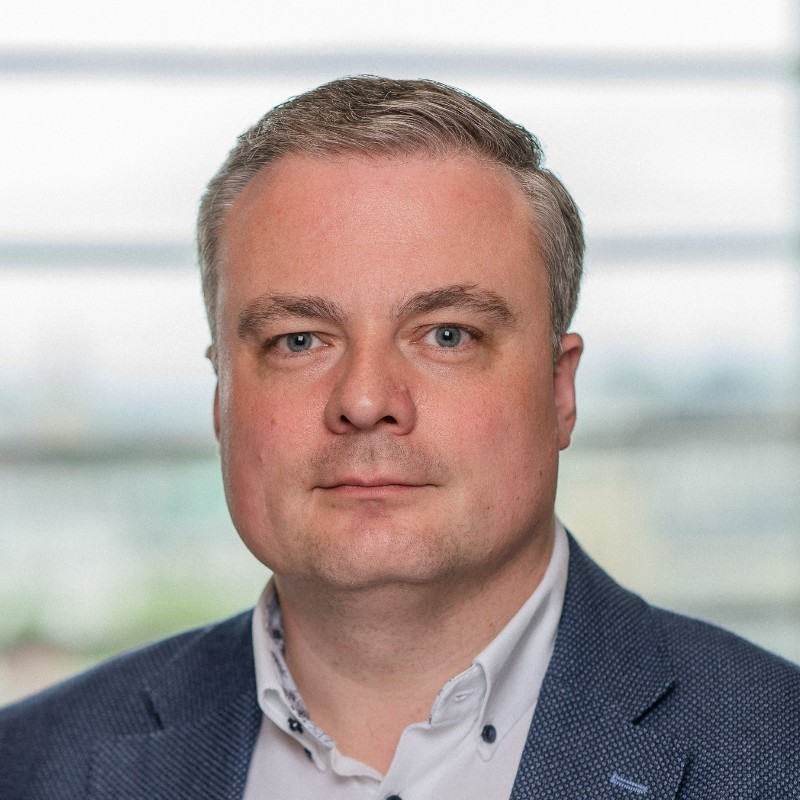

Lionel Matusya brings 12 years of experience from PwC, along with deep expertise in solution design and a track record of helping organizations rethink what is possible across different levels of GRC maturity.
And that value comes through in the feedback. One attendee, a Head of Controls at a company with more than 20,000 employees, said after a session:
“Thank you for the workshop yesterday. I found it incredibly useful.
Paul clearly has a great wealth of knowledge and I really appreciated the time taken to offer us an in depth workshop tailored specifically to our needs.
The style, pace and content were exactly what we needed and the discussion has helped clarify our thoughts and direction on Risk, Controls and Audit. I look forward to working together more in the future.”
External validation reinforces that too.
Industry analyst Michael Rasmussen described CoreStream GRC as
“the GRC player that’s flying under the radar but delivering on some of the most complex third party risk, internal control, and risk management projects for major corporations.”
That is the real value of expert-led evaluation. Not more noise. Not another feature list. Just informed challenge from people who understand the pressures, have seen what works, and can help turn complexity into a clearer path forward.
The workshop outcomes teams can expect from CoreStream GRC
A value-based GRC workshop should leave teams with more than a general sense that things could improve. It should create clarity, direction, and momentum.
At CoreStream GRC, teams can expect four practical outcomes.
1. A health check of your current GRC program
An outside-in view of where your approach is working, where it is slowing down, and where the biggest gaps sit.
2. Examples that help your team think bigger
Practical insight from experienced specialists who have seen different operating models, maturity levels, and use cases across industries.
3. A personalized roadmap focused on value
Not a generic future-state vision, but a more grounded view of where to focus first and how to build momentum.
4. Time with experts who will challenge and guide
A real working session with people who understand GRC strategy and solution design, not just software sales.
That is why these sessions work best when multiple senior stakeholders are involved. It allows the conversation to move beyond individual pain points and into a more honest discussion about how the program is operating, where it is under strain, and what should come next.
Here to support wherever you are on the GRC maturity journey
Not every team is in the same place, and that is exactly why a custom approach matters.
Some teams have budget, but not enough for a full suite of GRC software solutions. Some know they have process issues, but do not yet know what type of GRC system fits. Some are trying to choose between a point solution and a broader integrated GRC platform. Others are not ready to buy at all, but they are ready to improve the way they work.
That is why custom workshops matter. CoreStream GRC is here to provide support that truly works for you and your business.
A good workshop helps teams;
- make sense of the problem before shopping for tools, and decide whether buying even makes sense right now
- avoid overbuying or underbuying
- understand whether they need integrated GRC compliance software, governance risk compliance software, or a more targeted use-case solution
- rethink long-standing ways of working and move beyond check-box compliance
- move forward with more confidence and less guesswork
Eventually, technology may absolutely be part of the answer. Compliance management software, risk software, and modern GRC platforms all have an important role to play when they are chosen for the right reasons and introduced into the right operating model. But the point is to get the sequence right. Process first. Clarity first. Diagnosis first. Then the tool decision.
The value-based GRC mindset conclusion
This is the real shift behind a value-based GRC mindset.
It is about asking better questions first.
Where is value being lost today? Where is friction holding the business back? Where is assurance weak? Where is ownership unclear? Where could better judgment, clearer accountability, and stronger evidence make the biggest practical difference?
That is the mindset that changes the conversation. It moves teams away from box-ticking and toward business impact. It helps organizations stop treating GRC as a set of disconnected tasks and start treating it as a way to support better decisions, stronger resilience, and more credible performance.
And once that mindset is in place, decisions around GRC software become much easier. Because by then, the team is no longer buying blind. They understand the problem, they know what good looks like, and they are in a far stronger position to choose the right next step.
FAQ on the benefits of a value-based GRC workshop
A value-based GRC workshop is a structured session that helps teams assess their current governance, risk, and compliance approach, identify process gaps, clarify priorities, and map out practical next steps. It focuses on business value, not just activity.
Buying GRC software before understanding the real problem can lead to wasted budget, poor fit, and more complexity. Teams need to understand where ownership, reporting, assurance, and workflows are breaking down before choosing the right solution.
A GRC workshop can help teams uncover fragmented workflows, unclear ownership, reporting weaknesses, and areas where too much effort is going into admin rather than decision-making. It gives organizations a clearer view of where change will have the biggest impact.
The most useful workshops usually involve senior stakeholders from risk, compliance, audit, controls, and other relevant business areas. That helps create a more honest and practical discussion about current challenges and priorities.
No. A value-based GRC workshop can also help teams that are not ready to buy software but want to improve existing processes, reassess their current operating model, or identify quick wins before making bigger changes.
Teams should expect a health check of their current GRC program, insight into where value is being lost, practical examples from experienced specialists, and a clearer roadmap for improvement.